What problem it solves
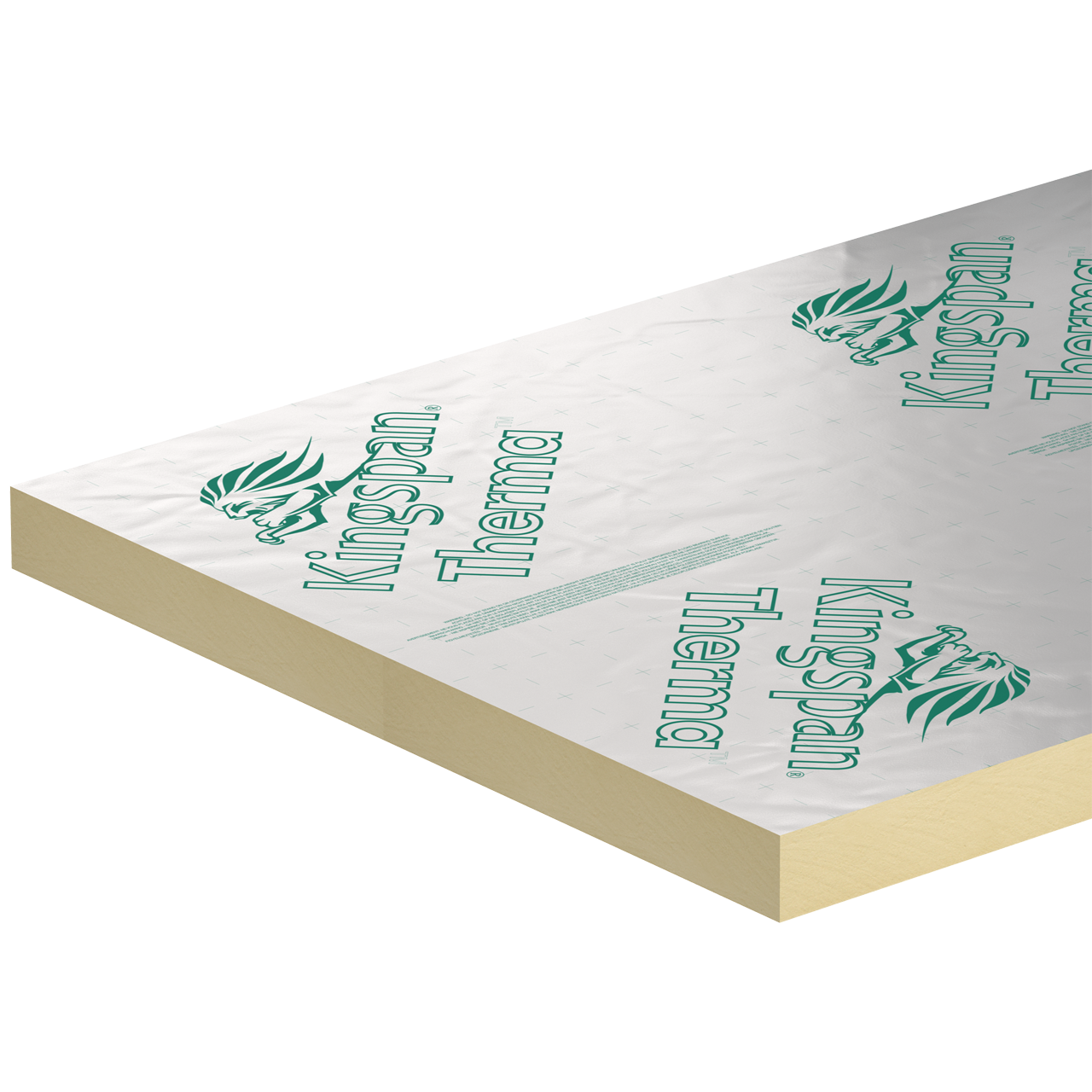
HVAC ductwork transporting conditioned air can lose or gain heat as it passes through plant rooms, ceiling voids and service risers. Kingspan Therma Duct Insulation is used to reduce thermal losses, improve system efficiency and help control duct surface temperatures, lowering the risk of condensation when correctly specified and installed.
Where it is typically used
This insulation board is commonly specified for rectangular HVAC ductwork in commercial environments such as offices, hospitals, schools, data centres and retail developments. Typical installation areas include...
What problem it solves
HVAC ductwork transporting conditioned air can lose or gain heat as it passes through plant rooms, ceiling voids and service risers. Kingspan Therma Duct Insulation is used to reduce thermal losses, improve system efficiency and help control duct surface temperatures, lowering the risk of condensation when correctly specified and installed.
Where it is typically used
This insulation board is commonly specified for rectangular HVAC ductwork in commercial environments such as offices, hospitals, schools, data centres and retail developments. Typical installation areas include plant rooms, ceiling voids, service risers and internal mechanical zones where insulated ductwork remains exposed or accessible.
Why this type of insulation is specified
Phenolic duct insulation boards are selected where high thermal performance is required at reduced thickness. Kingspan Therma Duct Insulation allows contractors to meet target U-values without increasing duct size, which is critical in space-restricted mechanical and plant areas.
The rigid board format supports fabricated duct sections and site-built duct systems, making it suitable for commercial HVAC installations where dimensional accuracy, repeatability and clean system layout are required.
Limitations and specification notes
Kingspan Therma Duct Insulation is primarily intended for internal HVAC duct applications. Suitability for external ductwork, fire performance classification, vapour control requirements and fixing methods must be confirmed against the manufacturer’s datasheet and project specification.
Thermal conductivity values, facing type, maximum service temperature and compliance data are [DATA REQUIRED – confirm from manufacturer datasheet].
This product is not typically specified for circular ductwork, where alternative insulation formats are normally used.